

What I Found Under Path Lights Today Reminded Me Why Lawn Maintenance Matters
Today while mowing a yard, I came across something that was a good reminder of why regular lawn maintenance matters so much this time of year.
There were a couple of small snakes hiding under the path lights.
Now, they were small, and they were not bothering anyone, but it was one of those moments that reminds you how quickly a yard can start holding onto hidden surprises when the grass gets too tall and spring cleanup gets pushed off. A lot of homeowners think lawn care is mostly about keeping the yard looking neat. The truth is, it goes a lot deeper than that.
Proper grass height and a good spring cleanup help your lawn stay healthier, look better, and reduce the kind of hidden spots that pests and small wildlife like to use for cover.
Why Proper Grass Height Matters
One of the biggest mistakes we see in lawn care is grass being cut too short or allowed to get too tall before it is mowed again.
Keeping grass at the correct height is one of the best things you can do for the overall health of your lawn. When grass is maintained properly, it grows thicker, develops stronger roots, holds moisture better, and handles stress more effectively. It also gives your yard a more even, well-kept appearance.
A lot of people think cutting grass extra short means they will not have to mow as often. In reality, that usually causes more problems than it solves.
What Happens When Grass Is Cut Too Short
Cutting grass too short can put a lot of stress on the lawn. It weakens the grass, leaves the soil more exposed, and can make it easier for weeds to move in. It can also cause the lawn to struggle when temperatures rise later in the season.
When a yard is scalped too low, it often starts to look thin, patchy, and worn out. Instead of saving time, it can create more work and more frustration.
Healthy lawns are not built by mowing lower. They are built by mowing correctly and consistently.
What Happens When Grass Gets Too Tall
On the other side of the problem is grass that gets too overgrown between cuts.
Tall grass can hold moisture, create uneven mowing conditions, and make it easier for leaves, sticks, and other debris to collect. It also gives small critters more places to hide, especially around landscape beds, fences, shrubs, and fixtures like path lights.
That is exactly why what I found today was such a good reminder. Those small snakes found a cool, sheltered place near the ground where visibility was low and cover was easy to find. That kind of thing happens more often in yards that are not being maintained regularly.
Spring Cleanup Is Just As Important As Mowing
This is the time of year when spring cleanup really makes a difference.
During the winter and early spring, yards collect all kinds of material — leaves, fallen branches, small sticks, dead plant matter, and buildup around edges and fixtures. If that cleanup gets skipped, it creates clutter, reduces visibility, and makes it harder for the lawn to grow in evenly.
A proper spring cleanup helps open the yard back up. It clears out debris, cleans around beds and walkways, improves airflow, and makes regular mowing more effective. It also helps uncover hidden problem areas before they turn into bigger ones.
A clean yard is easier to maintain, easier to mow, and a lot more enjoyable to use.
The Areas Homeowners Often Overlook
When people think about lawn maintenance, they usually focus on the open grass areas first. But some of the most important spots in the yard are the ones around the edges.
These are the places that often get overlooked:
Around path lights
Leaves, grass clippings, and overgrowth tend to collect here quickly.
Along fences
Fence lines can trap debris and become overgrown fast.
Under shrubs
These shaded spots are common hiding places when they are not cleaned out.
Around flower beds and landscape borders
These areas often hold onto leaf buildup and extra moisture.
Near sheds, AC units, and the side of the house
These low-traffic spots can become cluttered before homeowners even notice.
When these areas are cleaned up and maintained regularly, the whole yard functions better and looks better.
Lawn Maintenance Is About More Than Curb Appeal
Yes, a freshly cut lawn looks great. Clean edges, trimmed grass, and tidy beds always improve the appearance of a property. But lawn maintenance is about more than curb appeal.
It is also about keeping the property manageable.
It is about keeping visibility open.
It is about helping the lawn stay thick and healthy.
And sometimes, it is about reducing the chance of finding unexpected visitors hiding in places people walk by every day.
A neglected yard can create all kinds of little issues that add up over time. Regular mowing and seasonal cleanup help prevent that.
Why Consistency Matters
The best-looking lawns usually are not the result of one big cleanup or one perfect mow. They are the result of consistency.
When grass is kept at the proper height on a regular schedule, it is easier to manage and healthier overall. When cleanup is handled in the spring, the property starts the season off right. When both are done together, the yard is cleaner, safer, and easier to maintain all season long.
That is why regular service matters. It keeps small issues from becoming bigger ones.
A Simple Reminder for Homeowners This Spring
What I found under those path lights today was a reminder that lawn maintenance is not just about making a yard look good from the street.
It is about maintaining the property the right way.
Do not cut your grass too short.
Do not let it get too overgrown.
Do not skip spring cleanup.
When you keep your lawn at the correct height and stay on top of seasonal cleanup, you are doing more than improving appearance. You are helping create a healthier, cleaner, and better-maintained outdoor space.
Need Help Getting Your Lawn Back in Shape?
If your yard needs spring cleanup, routine mowing, or help getting on the right maintenance schedule, now is the time to take care of it. A well-maintained lawn does not just look better — it works better too.
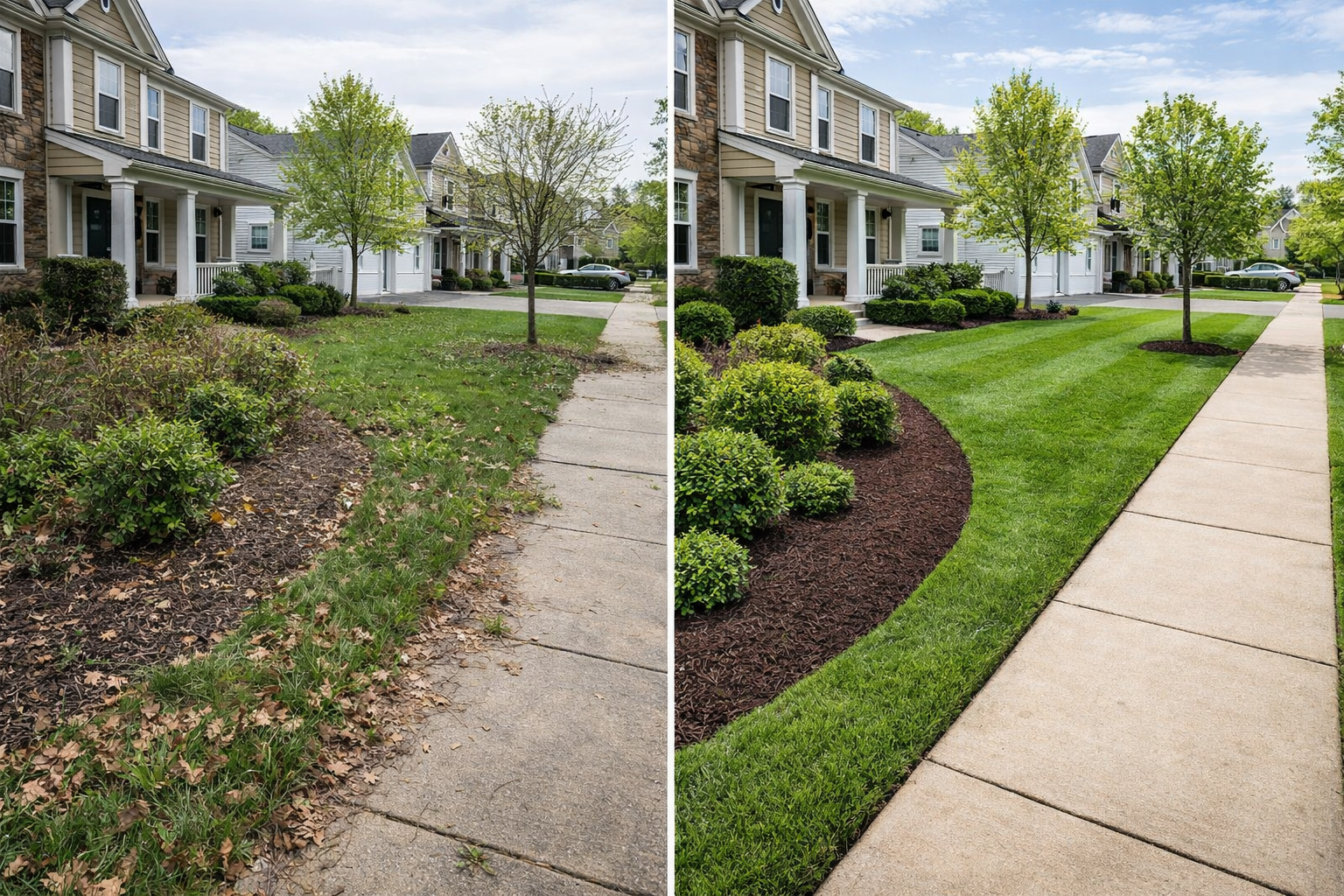
How to Prepare Your Holly Springs Lawn for Summer
Before-and-after spring yard cleanup in Holly Springs, NC, highlighting lawn improvement, fresh mulch beds, clean edges, and stronger curb appeal heading into summer.
If you want a better-looking yard in summer, most of the work that matters happens before summer ever gets here.
That is where a lot of Holly Springs homeowners go wrong. They wait for one warm weekend, rush outside, mow first, throw down fertilizer, top off mulch, and call it a reset. The problem is that a yard is not ready just because you are tired of winter. In this part of North Carolina, warm-season lawns wake up gradually, spring rain can keep soils wet, and cleanup mistakes made in March or April often show up as turf stress, drainage problems, or sloppy beds later on. North Carolina extension guidance for bermudagrass also emphasizes timing mowing and fertilization around actual green-up and active growth, not impatience.
The better approach is simple: remove hazards, clear what is hiding the surface, inspect the property, correct what needs correcting, and only then finish the cosmetic work.
That is how you prepare a Holly Springs lawn and landscape for summer the right way.
Why Summer Success Starts in Spring
Most homeowners think summer lawn success starts with fertilizer, weed control, or mowing frequency.
It does not.
Summer success starts with whether the property was prepared correctly in spring. If winter debris is still smothering turf, drains are blocked, bed edges are buried, mulch is piled too deep, and weak areas are hidden under leaves and pine straw, then the yard is already behind before hot weather arrives.
A proper spring cleanup is not about making the yard look better for a weekend. It is about removing hazards, exposing problems early, and setting the property up to perform well for the rest of the season.
The Biggest Mistake Homeowners Make
The biggest mistake is treating spring cleanup like a cosmetic reset.
That mindset creates all the usual problems:
people mow before they inspect, fertilize before the grass is truly growing, mulch over unresolved bed issues, and try to do everything in one big “reset day.”
That is backward.
The homeowner mindset is usually: make it look clean.
The professional mindset is: inspect first, correct problems second, refresh appearance last.
That difference matters because a yard can look cleaner and still be wrong.
The Process We Use: Safe → Clear → Inspect → Correct → Refresh
Safe
Before touching a mower, trimmer, blower, or rake, start with a safety pass.
Look for sticks, rocks, toys, wire, pinecones, and hidden debris that can turn into projectiles. Check around path lights, drain grates, downspouts, edging, beds, fence lines, loose pavers, and low branches. Watch for ants, wasp activity, snakes, soft ground, exposed roots, broken irrigation heads, damaged lighting, and winter storm damage.
Most people skip this because it does not look productive.
That is a mistake.
This is the step that prevents injuries, broken equipment, and missed problems.
Clear
Once the yard is safe enough to work, clear what is covering the surface.
Remove leaves, limbs, dead annual material, trash, pine straw buildup, and winter debris from the lawn and beds. Open up bed lines so you can actually see the shape and condition of the property. Clear around walkways, patios, hardscape transitions, and downspout exits.
A lot of homeowners are not really cleaning up. They are just pushing debris around.
You cannot inspect what you cannot see.
Inspect
Once everything is visible, assess the real condition of the property.
Look for thin turf, matted turf, bare spots, soggy areas, compaction, erosion, and drainage issues. Check shrubs and small trees for winter damage. Look for washed-out mulch, mulch piled against trunks, softened bed edges, and weeds that point to bigger timing or maintenance problems.
This is the step most generic spring cleanup advice misses.
This is where the job stops being cosmetic and starts being professional.
Cleanup should expose problems early, not hide them.
Correct
Now fix what should be fixed before doing finish work.
Prune dead or damaged material. Redefine bed edges. Remove weeds that should not stay in place. Reset buried fixtures if needed. Correct minor drainage blockages. Prepare the lawn and landscape so the refresh step is not just covering mistakes.
A lot of people skip straight to mulch, mowing, and edging because those steps feel satisfying.
But if the bed edge is still wrong, the drainage is still blocked, or the weak turf is still stressed, then the yard is only dressed up, not improved.
Refresh
Refresh is the final stage, not the whole job.
Mow the lawn at the proper height for the turf. Trim and edge once the lines are visible. Top off mulch only where it actually needs it. Apply treatments only if the timing supports them. The goal is to leave the property looking cleaner, sharper, and more intentional.
Refresh should be the last 15 percent of the process, not the first 100 percent.
When to Start in Holly Springs
Do not start because there was one warm weekend.
Start when the yard is readable.
That means the property is no longer staying saturated for days, repeated hard freezes are mostly behind you, winter debris and damage are visible enough to assess, and shrubs and beds are far enough along that you can tell what is dead, delayed, or normal. Warm-season turf may be waking up, but that does not mean it is ready for aggressive work.
For Holly Springs homeowners with bermudagrass, cleanup can begin before full green-up, but aggressive turf work should wait until the lawn is actively growing. NC State guidance recommends mowing bermudagrass as it turns green and delaying fertilizer until several weeks after full green-up.
A good rule is this:
Start cleanup when the yard is readable, not when the homeowner is tired of winter.
Warm-Season Lawn Mistakes That Hurt Summer Performance
Mowing Too Early or Too Low
One of the most common mistakes is mowing too early or mowing too low on the first cut.
Homeowners want quick visual progress, so they mow first. That is how they hit hidden debris, shred leftover leaves into the turf, and scalp grass that is just waking up.
The first mow should happen after debris is removed and at a height that fits the turf, not at whatever height feels fastest.
Fertilizing Too Early
Another common mistake is feeding warm-season grass because the calendar says spring.
That is lazy timing.
If the lawn is not actively growing yet, fertilizer is not solving the real problem. It is just a reaction to impatience. On bermudagrass, North Carolina extension guidance recommends fertilizing several weeks after full green-up rather than during early spring wake-up.
Using Weed Control at the Wrong Time
Many homeowners also use weed-and-feed or spray during green-up because they want one product to handle everything at once.
That approach often creates turf stress during a sensitive period. Weed timing and lawn timing are not always the same, and treating by habit instead of by growth stage is where problems start.
Dethatching Too Early
Dethatching can be useful when there is real buildup, but doing it too early creates extra stress on turf that is not growing strongly enough to recover.
Aggressive work does not become smart work just because it looks productive.
Pruning Everything at Once
A lot of homeowners prune every shrub in sight during spring cleanup.
That is another timing mistake.
Dead, broken, or damaged material is one thing. Blindly cutting spring bloomers is another. North Carolina extension guidance generally recommends pruning spring-flowering shrubs after they bloom so you do not remove the buds that produce the display.
The Top 3 Mistakes We See Most Often
1. Mowing Before Inspecting
This is the biggest one.
People want instant visual progress, so they mow first. That is how they miss hidden hazards, damage equipment, and do the whole job backward.
2. Feeding Warm-Season Grass Too Early
Homeowners panic when the lawn is not green enough, so they throw fertilizer at it before the grass is truly growing.
That is bad timing, and bad timing creates weak results.
3. Mulching Over Bad Bed Prep
This one happens constantly.
Homeowners top-dress beds without clearing debris, redefining edges, or fixing what is underneath. It looks good for ten minutes and sloppy again right after.
Do not mulch over a mess.
What Real Spring Prep Looks Like
One property had a backyard completely covered in matted oak leaves, pine straw, and winter debris. Underneath, the grass was yellow, thin, and suffocating. After full leaf removal, light dethatching, debris cleanup along beds and fence lines, and a properly timed first mow, the lawn greened up dramatically over the next several weeks. The lesson was simple: leaves are not harmless when left too long.
Another property looked like it had a muddy spot problem, but the real issue was drainage. Downspouts were buried under leaves and pine straw, and water was pooling near the foundation after rain. Once the debris was removed, runoff paths reopened, and compacted buildup cleared, the standing water disappeared after the next storm. That cleanup did not just improve the yard. It protected the structure.
On another job, a debris pile behind a shed had become shelter for rodents, ants, and snakes. Once the buildup was removed, shade and moisture were reduced, and the area was properly cleaned and refreshed, pest activity dropped almost immediately. Debris piles are not harmless. They become habitat fast.
And when homeowners skip cleanup long enough, the bill usually catches up later. One property that deferred seasonal work for two years ended up with thinning turf, heavy thatch, fungus pressure, and a much more expensive recovery plan than routine upkeep would have cost.
Deferred maintenance becomes expensive maintenance.
What to Do if You Only Have One Saturday
If a homeowner only has one Saturday, the goal should be value, not volume.
Follow this order:
Walk the property first.
Pick up and remove debris.
Clear beds and expose hard edges.
Inspect while the yard is visible.
Do light pruning where appropriate.
Redefine bed edges.
Mow at the proper height.
Trim and blow clean.
Top off mulch only if needed.
Make a follow-up list for what needs treatment, repair, or professional help later.
That is the highest-value Saturday.
Anything else is a mess disguised as productivity.
A Contrarian Take: One Big Reset Day Is Bad Advice
A popular tip says to do one giant spring cleanup day and reset everything at once.
That advice sounds efficient, but it creates bad decisions.
Not everything belongs on the same timeline. Cleanup timing is different from fertilizer timing. Pruning timing depends on the plant. Weed control timing is separate from visual cleanup. When homeowners try to do all of it in one push, they usually end up mowing too low, feeding too early, pruning the wrong things, and spraying because they are already outside and want to “finish the job.”
One cleanup day is fine.
One giant reset day is not.
The better approach is one cleanup day, then smart follow-up timing.
What to Expect at 2, 4, and 6+ Weeks
After 2 Weeks
The first changes are visual.
The yard should look cleaner, more organized, and back under control. Bed lines are sharper. Debris is gone. Drains and low areas are more visible. Hidden problems are no longer buried under winter mess.
This is the order-restored phase.
Around 4 Weeks
By this point, the cleanup starts revealing whether the yard is actually responding well.
Lawn growth should begin evening out if mowing height and timing were handled correctly. Beds should look more settled and intentional. Shrubs should show clearer recovery or clearer decline. Drainage issues, thin turf, and weak areas become easier to evaluate.
This is the true-condition-revealed phase.
After 6+ Weeks
Now the difference between cosmetic cleanup and proper cleanup becomes obvious.
The yard should look healthier, not just cleaner. Turf should be responding more consistently. Curb appeal should feel maintained instead of temporarily dressed up. Any problems missed earlier will usually be obvious by now.
This is where good spring prep starts paying off in summer performance.
What Most Homeowners Miss Before Summer
Most homeowners miss the things that do not show up in a quick before-and-after photo.
They miss compaction.
They miss hidden drainage issues.
They miss mulch piled against trunks.
They miss bed edges that have disappeared.
They miss pest shelter behind sheds and fence lines.
They miss the difference between a cleanup issue and a repair issue.
Most spring cleanup articles treat the job like a checklist.
Real preparation is diagnosis plus action.
What You Can Handle Yourself and What to Hire Out
Basic debris pickup, light bed cleanup, simple visual inspection, and pruning of clearly dead or broken material are all reasonable DIY tasks.
But drainage correction, major pruning, irrigation issues, turf recovery decisions, and timing-sensitive lawn treatments are where experience matters. The same is true for larger properties or HOA-facing yards where one bad decision becomes visible fast.
The smartest homeowners do not try to do every task themselves.
They do what they can do well, and they bring in help where judgment matters most.
Summer Starts Easier When Spring Prep Is Done Right
The best summer lawns are usually not the ones that got the most work in one day.
They are the ones that got the right work, in the right order, at the right time.
That means fewer surprises, fewer setbacks, less rework, better curb appeal, healthier turf, and an easier transition into summer mowing and maintenance.
For Holly Springs homeowners, that is the real goal.
Not a yard that looks cleaned up for a weekend.
A yard that performs better all season.
FAQs
When should I start spring yard cleanup in Holly Springs?
Start when the yard is no longer staying saturated for days, hard freezes are mostly behind you, and winter debris and damage are visible enough to assess. Cleanup can begin before full green-up, but aggressive work on warm-season lawns should wait until active growth supports recovery.
Should I mow before removing leaves and debris?
No. Mowing first is one of the most common mistakes. Remove debris first so you do not damage equipment, shred material into the turf, or miss hidden hazards.
Is it too early to fertilize bermudagrass in spring?
If the lawn is not fully green and actively growing, it is usually too early. NC State guidance recommends fertilizing bermudagrass several weeks after full green-up, not just because the calendar says spring.
Can leaves and pine straw really damage my lawn?
Yes. When they mat down and hold moisture, they can block sunlight and airflow, weaken turf, and create conditions that lead to decline.
Should I prune all shrubs during spring cleanup?
No. Remove dead, broken, or damaged material, but do not assume every shrub should be pruned at the same time. Spring-flowering shrubs are generally pruned after bloom, not blindly during early cleanup.
What should I do with yard waste in Holly Springs?
Holly Springs residents have curbside yard waste options, can request extra collection for large loads, and can also use the town’s Yard Waste Convenience Center on Rex Road with proof of residence.
Call to Action
If you want your lawn and landscape prepared for summer the right way, do not settle for a cleanup that only improves appearance.
A proper spring cleanup should catch problems early, protect the property, and set the yard up to perform better through the rest of the season.
For homeowners in Holly Springs, that means timing, sequencing, and restraint matter just as much as effort.
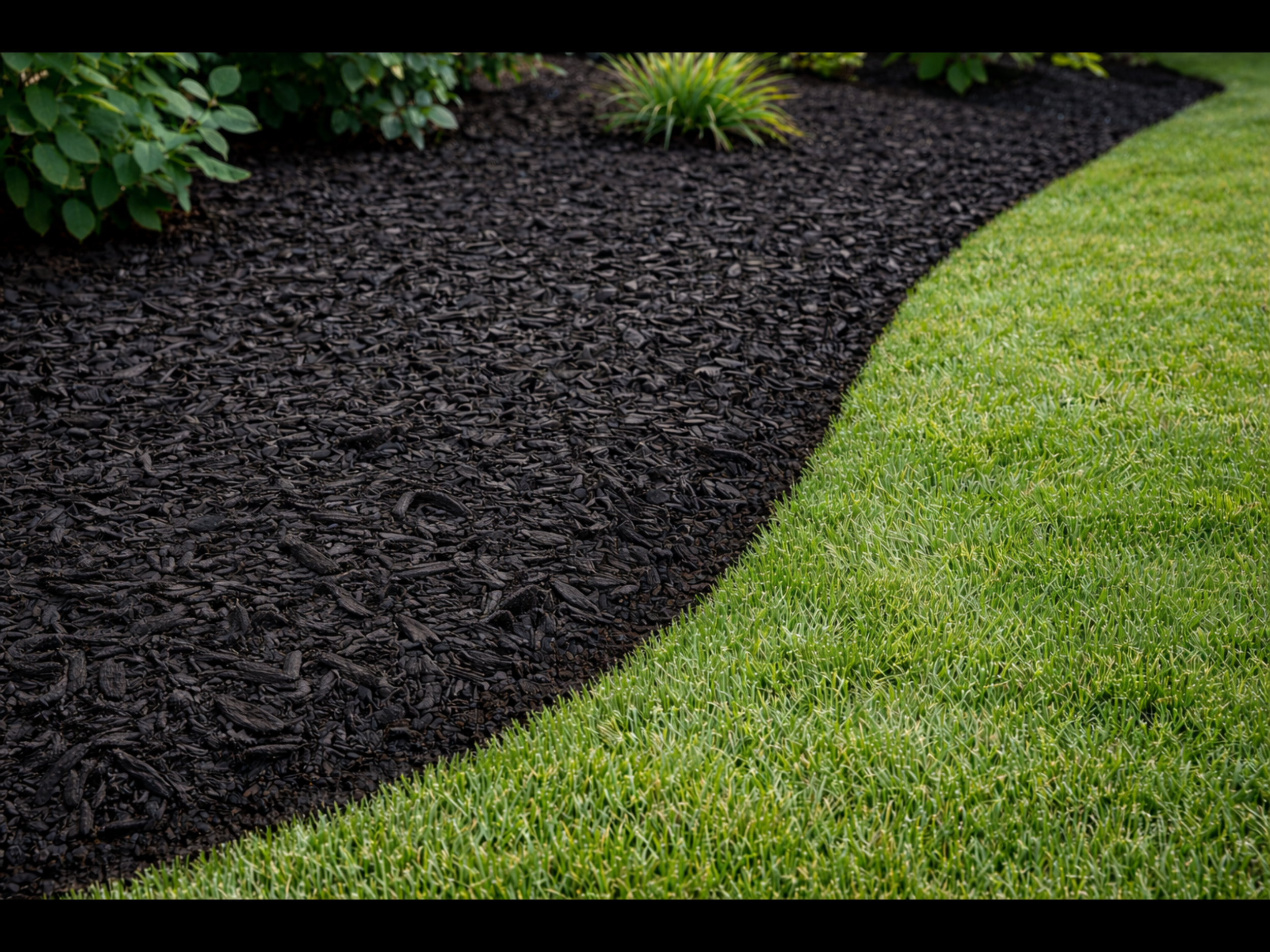
How to Keep Mulch Beds Looking Fresh
Keep your mulch beds looking clean, fresh, and well maintained with simple tips for controlling weeds, debris, fading, and thin spots throughout the season.
Simple maintenance tips to keep mulch beds neat, clean, and polished throughout the season.
Fresh mulch can instantly make a yard look cleaner, sharper, and better maintained. But even a well-mulched bed will start to look worn over time from sun, rain, weeds, leaves, and normal settling.
The good news is that keeping mulch beds looking fresh usually does not require a full replacement. In many cases, consistent upkeep and the right seasonal touch-ups make the biggest difference.
Why Mulch Beds Start to Look Worn Out
Mulch beds usually lose their clean appearance for a few simple reasons. Color fades from sun exposure. Rain and wind can shift mulch out of place. Leaves, grass clippings, and debris build up on top. Weeds start to show through. Over time, the mulch also begins to break down and settle.
When those small issues add up, the entire bed can start to look messy even if the landscape itself is still in good shape.
How to Keep Mulch Beds Looking Fresh
1. Fluff the Top Layer
One of the easiest ways to improve the appearance of a mulch bed is to lightly turn the top layer. Mulch naturally compacts over time, especially after heavy rain or foot traffic.
A light raking helps bring fresher material to the surface and gives the bed a fuller, cleaner look.
2. Pull Weeds Before They Spread
Weeds are one of the fastest ways to make a mulch bed look neglected. The best approach is to remove them early, before they become established or go to seed. NC State notes that mulch, hand weeding, and in some cases preemergence herbicides work best as part of a year-round weed management plan.
Weed Management in Annual Color Beds
A quick weekly check can prevent a small problem from turning into a full cleanup project.
3. Keep the Bed Edge Sharp
A crisp edge helps the entire landscape look more intentional. When the line between the lawn and mulch bed starts to disappear, the bed can look messy even if the mulch itself is still in decent shape.
Refreshing the edge regularly keeps the bed defined and improves curb appeal right away.
4. Clear Off Leaves and Debris
Leaves, twigs, seed pods, grass clippings, and even pollen can make a mulch bed look dirty fast. Removing debris helps keep the mulch visible and prevents the surface from looking patchy.
This is especially important during mowing season and periods of heavy pollen or leaf drop.
5. Top Off Thin or Washed-Out Areas
Mulch tends to shift over time, especially near edges, slopes, and places where runoff occurs. Instead of replacing everything, it is often enough to add a light amount of mulch only where the bed has become thin or uneven.
That small touch-up can make the whole area look refreshed without a full reinstall.
6. Avoid Using Too Much Mulch
More mulch is not always better. NC State recommends organic mulch depths based on the planting area: about 3 inches for woody and perennial landscape beds, and generally 3 to 4 inches for weed suppression in perennial beds, while warning not to exceed 4 inches because excess mulch can encourage weed growth and damage landscape plants.
Plan Before You Plant
Too much mulch can also create “mulch volcanoes” around trees and shrubs. NC State warns that piling mulch against trunks increases moisture and can contribute to fungal, disease, insect, and pest problems; mulch should be kept a few inches away from trunks.
Gardening
7. Refresh Mulch Before It Looks Too Far Gone
A lot of homeowners wait until the mulch looks completely worn out before doing anything. That is usually a mistake.
A light seasonal refresh keeps beds looking consistently maintained and often costs less than waiting until everything needs to be redone. NC State’s seasonal gardening guidance for central North Carolina recommends maintaining a 2- to 3-inch layer of mulch around ornamental beds.
Gardening
Spring is usually the best time for a full refresh, with touch-ups during the season as needed.
Timely Tips for Spring in the Piedmont
Common Mistakes to Avoid
A few common habits can make mulch beds break down faster or lose their clean appearance:
Letting weeds get established
Skipping edging
Piling mulch against trunks or stems
Leaving leaves and clippings in the bed
Ignoring thin spots after rain
Adding new mulch without loosening compacted areas first
Simple Mulch Maintenance Schedule
Weekly • Check for weeds, debris, and any mulch that has shifted out of place.
Every 2 to 4 weeks • Lightly fluff the surface and clean up the bed edge if needed.
Seasonally • Top off thin areas and refresh faded mulch to keep the landscape looking neat and consistent.
Final thoughts
Keeping mulch beds looking fresh comes down to regular maintenance, not constant replacement. When weeds are handled early, edges stay clean, debris is removed, and thin spots are topped off, mulch beds hold their appearance much longer.
A little upkeep goes a long way toward keeping your property looking clean, polished, and well cared for.
Need Help Refreshing Your Mulch Beds?
Amped Up Lawn Care offers mulch delivery, installation, and seasonal bed touch-ups in Holly Springs to help keep your landscape looking clean and well maintained.
Request a quote today to get your mulch beds in shape.
Serving Holly Springs, NC.